Three years ago, I watched a Zambian film on Netflix, and I'm still thinking about it. I'm still arguing with it, too. (I'm a screenwriter. Arguing with stories is basically our cardio.)
Can You See Us? was directed by Kenny Mumba and written by Andrew and Lawrence Thompson. It follows Joseph, a boy born with albinism whose father rejects him at birth, believing him cursed. The story was inspired by the life of Zambian musician John Chiti. This is my honest review, from one Zambian storyteller to anyone thinking of pressing play. I'll cover what worked, what pulled me out of the story, and what I'd have done differently.
Why This Film Matters for Zambian Cinema
The film premiered on Netflix on 27 August 2023, becoming the first Zambian film released on the platform. Read that again. A country overflowing with stories finally got a seat at the global streaming table. In my book, it's still one of the very few Zambian movies on Netflix, if not the only one.
That alone makes it worth your watchlist. When a Zambian film lands on a platform that big, it opens a door for every Zambian writer, director and actor behind it. Consider this review a very enthusiastic doorman holding it open.
A Story With Something to Say
I'll admit my bias: I love stories that tackle real issues. Can You See Us? strikes right at the heart of discrimination against people with albinism. It doesn't lecture. It lets you live inside Joseph's experience of rejection, bullying, loss and cautious hope, and it leaves you quietly asking yourself some uncomfortable questions. (Hence the title.)
Entertainment that makes you think is great. Entertainment that makes you think and reach for a tissue is a bold flex. Consider yourself warned. Keep a napkin nearby.
Stories like this matter because they build empathy at scale. Stigma survives on misunderstanding, and a well-told drama is one of the best tools we have for dismantling it. The film does that job well, which is why I'm giving it so much grace in the next sections.
The Craft: Lighting, Editing, Acting and That Guitar
Let me be clear: I'm no cinematographer. My photography credentials begin and end with pictures of my lunch. Still, even my untrained eye can tell the lighting in this film is on point. The visuals feel deliberate and polished, and the editing keeps the story moving with confidence. I'm not the only one who noticed, either: one Afrocritik reviewer singled out the editing as a standout technical quality.
The acting is mostly very good, and the emotional moments land because the cast commits to them. The young lead carries a lot of weight on his shoulders, and you feel it.
Then there's the guitar. I play guitar myself 😎, so the music in this film hit me in a special place. The guitar playing feels warm, human and honest, and it does real storytelling work. Music is part of how Joseph finds the strength to face his challenges. I may have air-strummed along a few times. My actual guitar noticed and has not forgiven me.
Where the Story Lost Me: A Screenwriter's Notes
Now for the part I've been waiting three years to write. I'm strictly a storyteller, so these notes come from the writer's seat. I know the film is based on a true story, and I know filmmaking involves a thousand moving parts I can't see from where I sit. These are craft notes, not a takedown. Think of it as a friendly script consultation, minus the invoice.
1. The Attack That Came Out of Nowhere
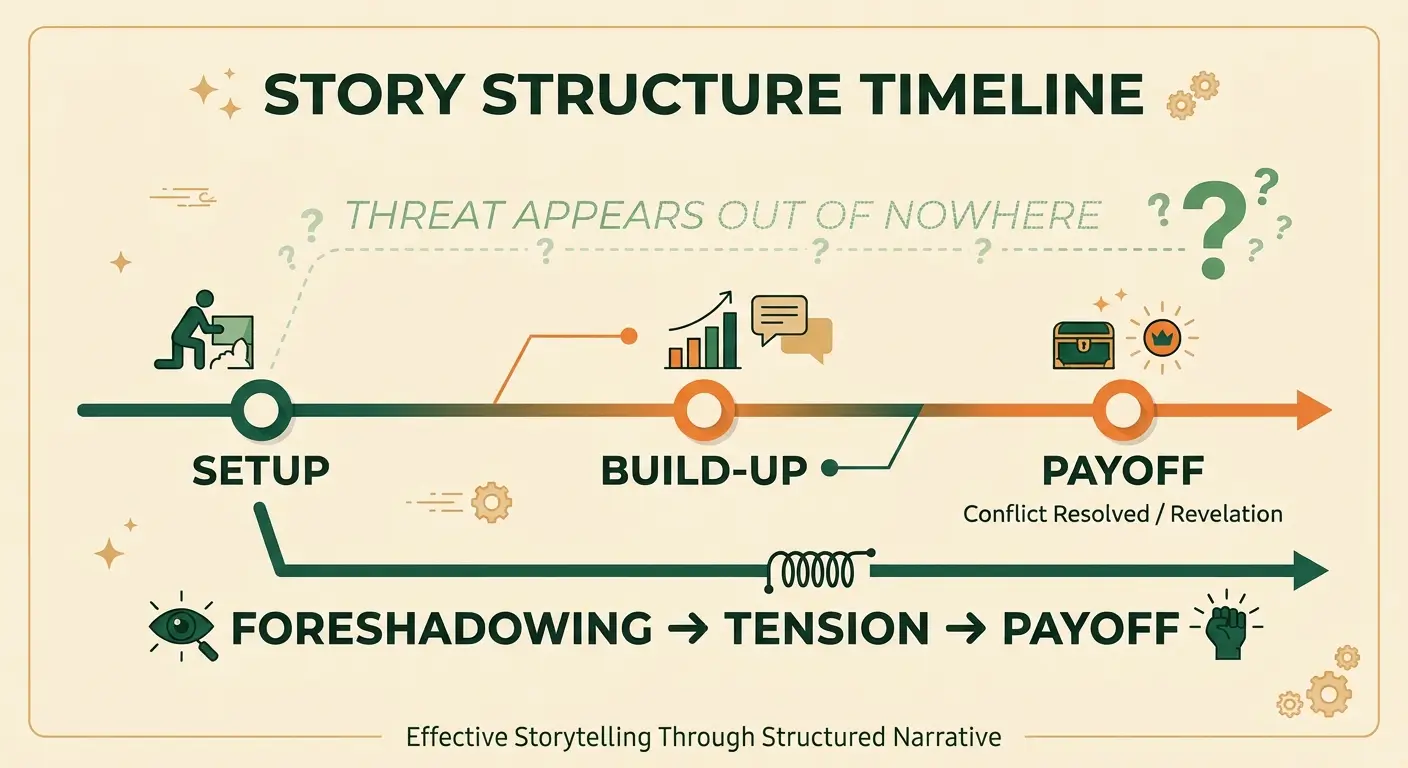
The scene where a key character nearly falls victim to what looks like an organ-harvesting attempt, along with the build-up to it, feels like it wandered in from a different movie. The build-up is thin. Two men simply appear. Nothing tells us they belong to a syndicate or a network, or that they're any kind of ongoing threat. They decide right there, on the spot, to target this person. In screenwriting terms, the gun never hung on the wall in act one. It just materialises in the villains' hands.
Then there's the reasoning. The men mention that albinos have special hearts, as in the literal, physical organ. Here's my problem. If this is organ harvesting, the logic collapses. Transplants depend mainly on blood type, including the rhesus factor, plus further compatibility testing. Even if the intended recipient had albinism (a stretch), they wouldn't need an albino donor. Albinism is about pigment, not a miraculous heart. In a hospital, "special albino heart" means nothing.
If the film meant the superstition-driven belief that body parts of people with albinism carry power or luck, which is the grim reality behind real-world attacks, then I'd say commit to that. Plant the belief earlier, through village whispers, a charm-seller or a worried relative. As it stands, the film seems to blend two different ideas, and the blend muddies both.
I recognise that something like this may have happened in the real story. But "based on true events" isn't a free pass on story logic. As written, those men could have targeted anyone for their organs. If the target's albinism is the point, make it matter. If it isn't, don't pretend it is.
2. The Parents' Deaths: A Cut Too Quick
Now the parents. I honestly couldn't tell how they died. One moment the family is gathered, wailing. The next, we're at the funeral. I assumed it was a car accident, but I only assumed, and that's the problem. When the audience has to guess the cause of a loss that reshapes the hero's whole life, something got dropped.
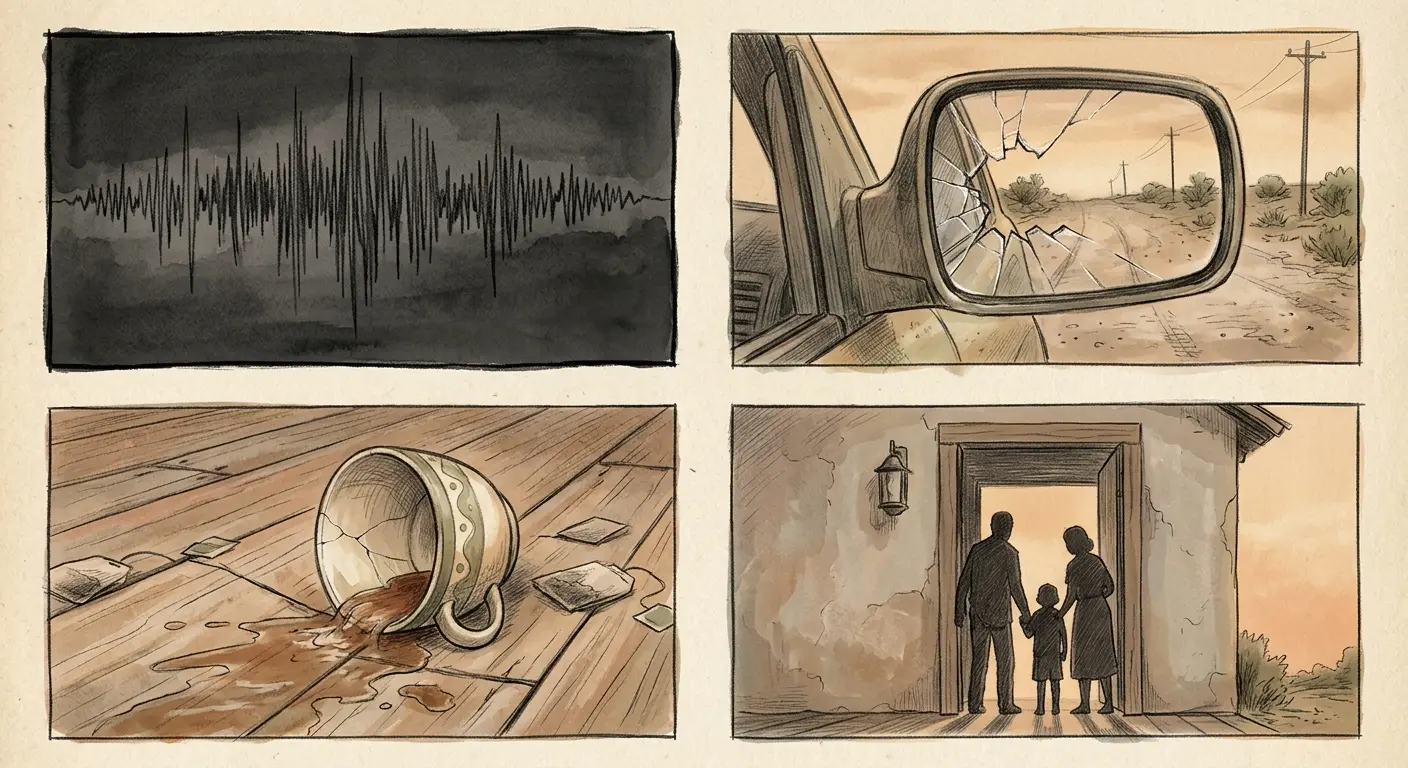
I get the constraints. Staging a car crash means budget, stunt skills and a lot of risk. I'm not a director, so there's surely a lot of behind-the-scenes context I'm missing. But I can already think of simpler ways to show an accident without burning the budget:
Sound over spectacle. Hold on a black screen and play screeching tyres, a crunch, then silence.
The aftermath. A cracked side mirror, a crumpled bumper or one lonely shoe on the road says plenty.
The messenger. A police officer at the door, hat in hand, with the family's faces reacting.
Reaction shots. A phone ringing, a close-up of a face as the news lands, a dropped cup.
Hitchcock famously built terror out of a shower curtain and chocolate syrup. Cinema has always been the art of suggestion. Grief also lands harder when we understand what was lost, and a few well-chosen seconds would have given those deaths the weight they deserve.
The Verdict: Watch It, Then Let's Talk
Despite my notes, I'll say it plainly: Can You See Us? is worth your time. The story has heart (a literal metaphor, not a medical one), the issue it tackles is important, and the lighting, editing and acting are impressive. The guitar-driven music had me at the first chord. It's a milestone for Zambian film, and it opens the door for the next wave of Zambian storytellers.
My notes come from love of the craft. A film that reaches this far deserves a conversation, not just applause. That's exactly the kind of conversation African cinema should keep having.
My rating: 4 out of 5 guitar picks 🎸